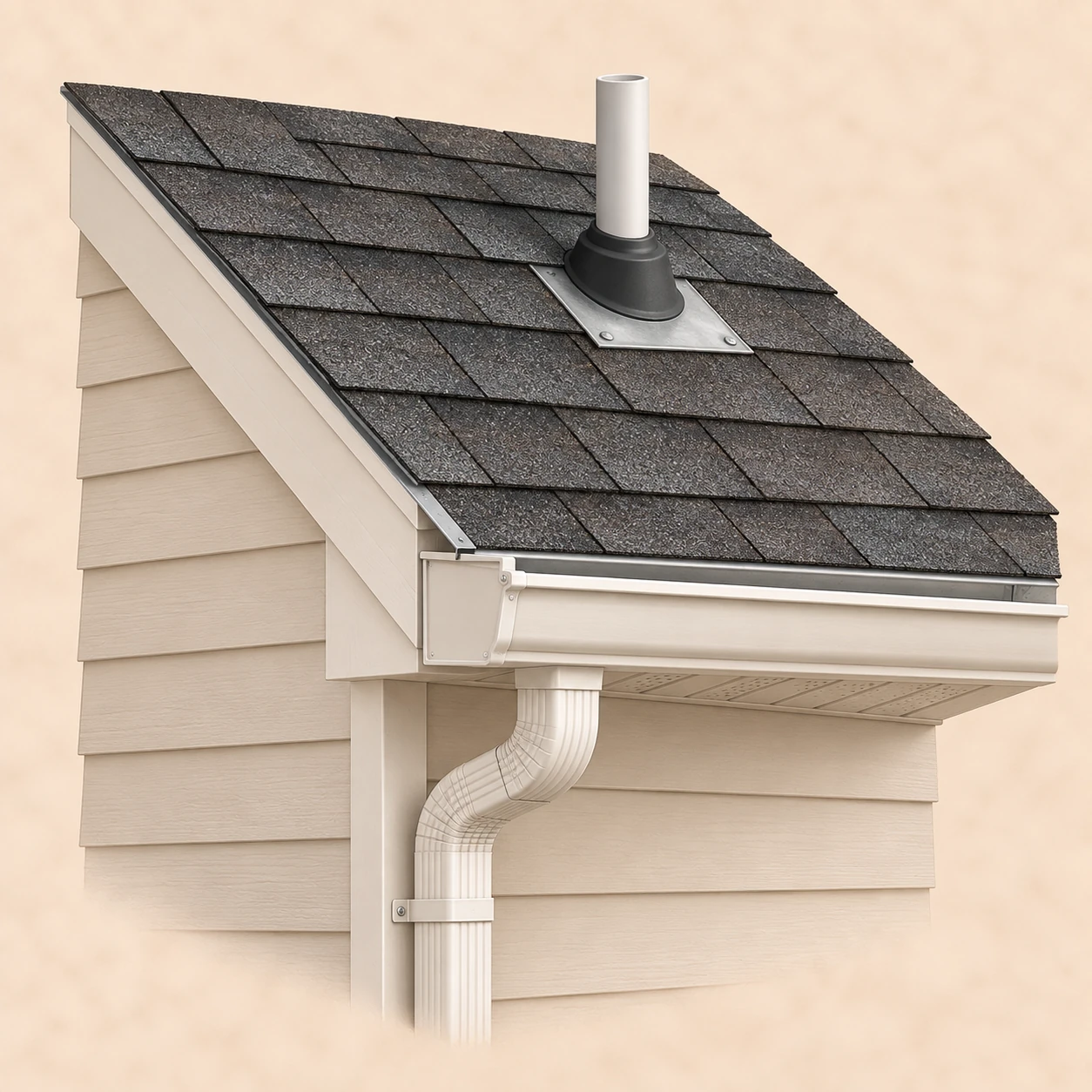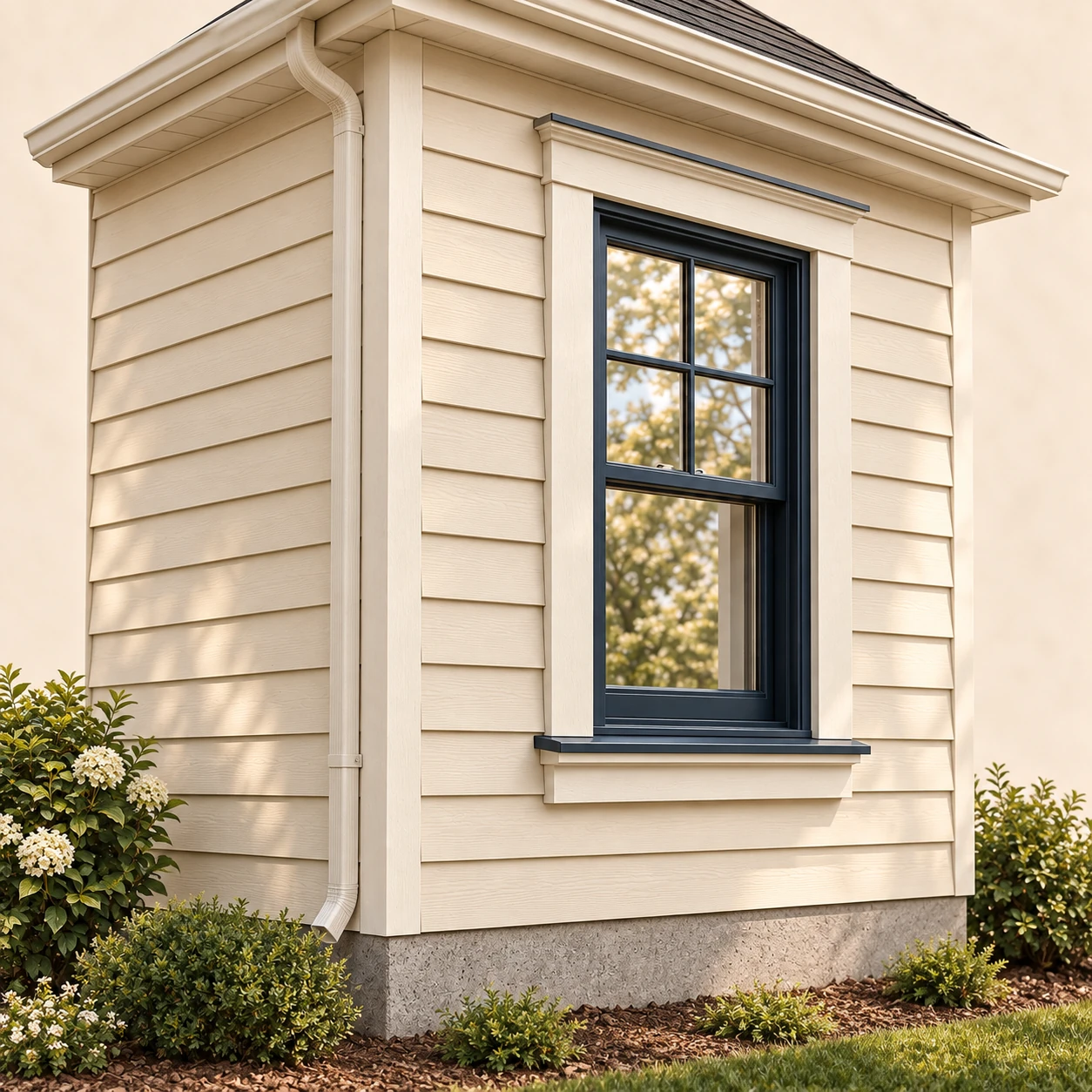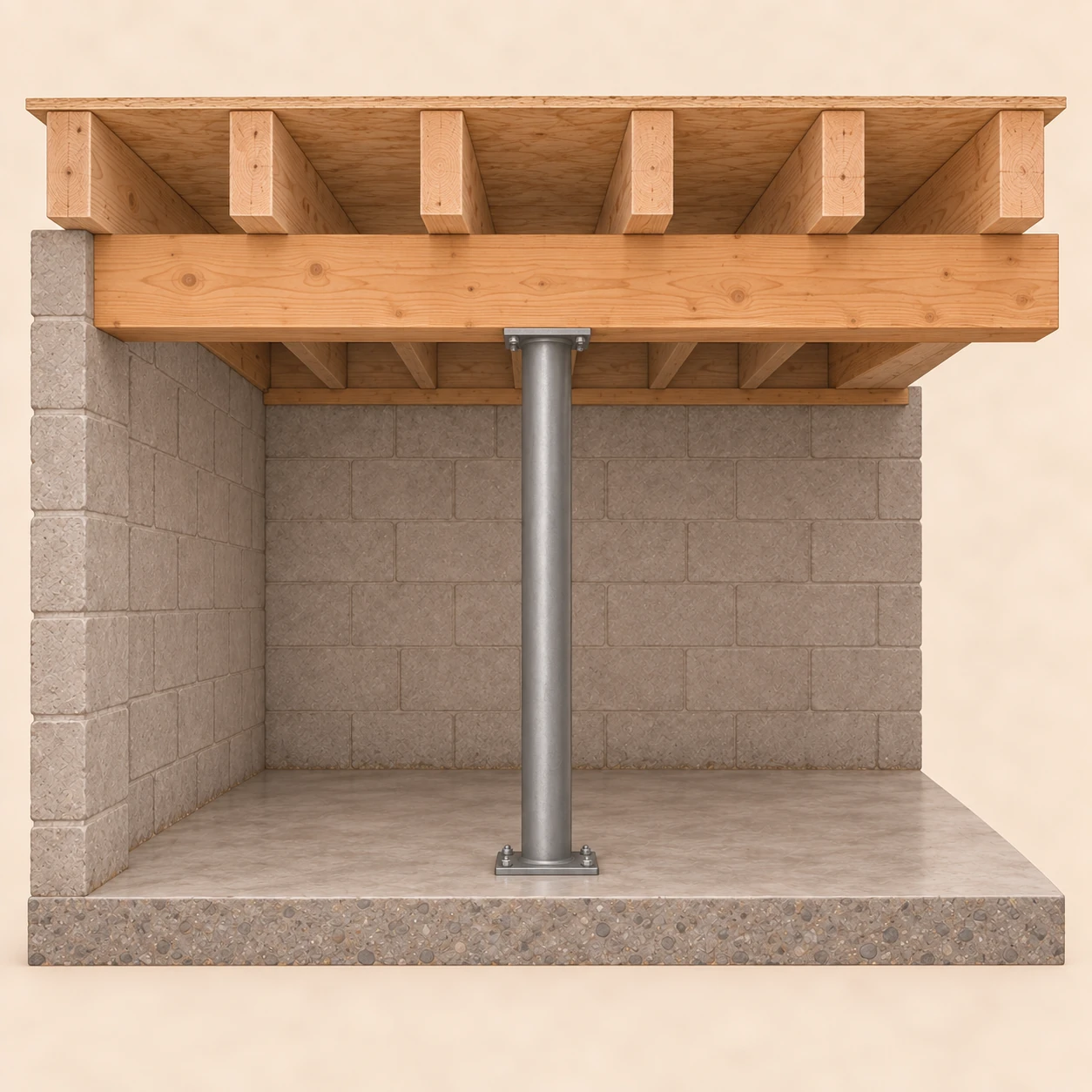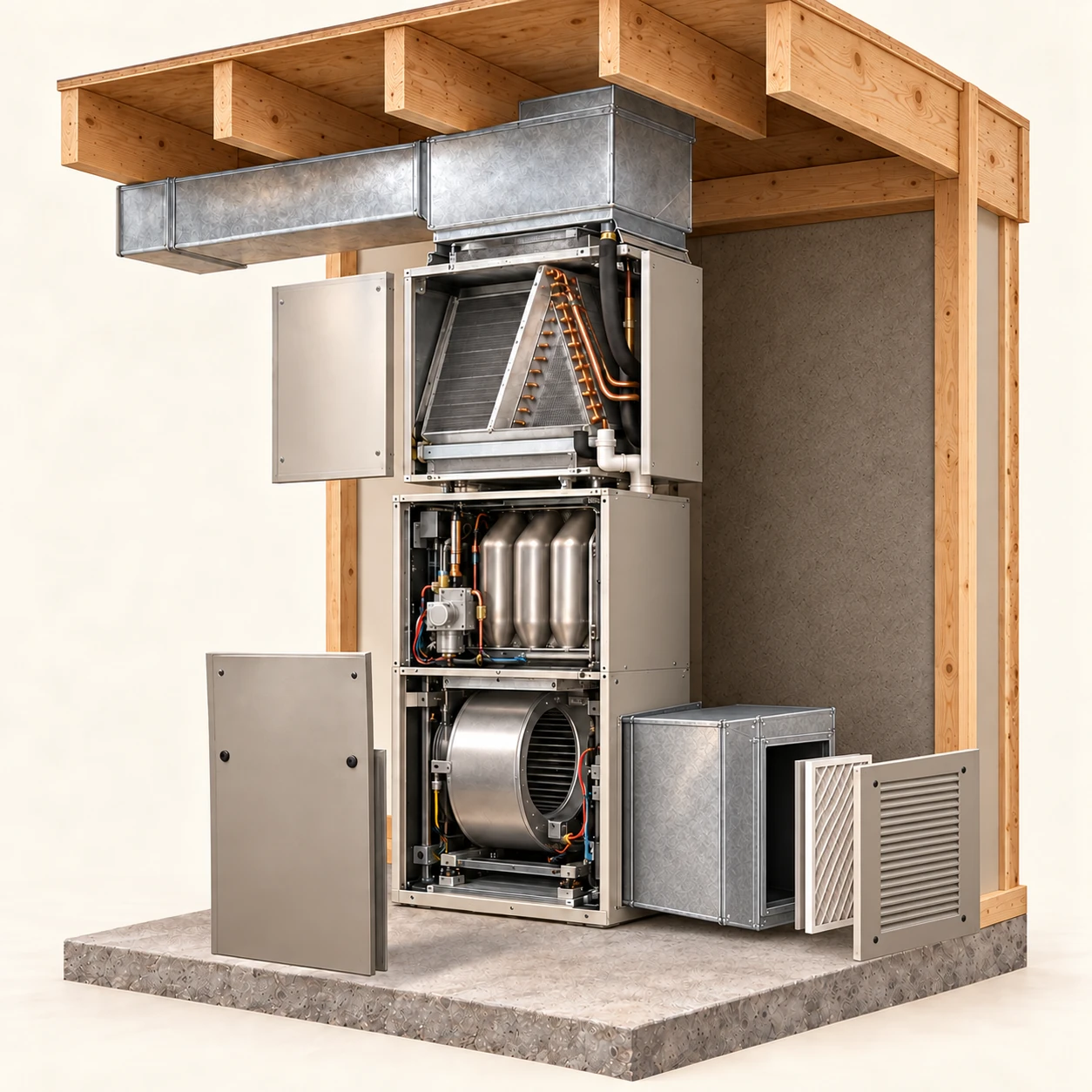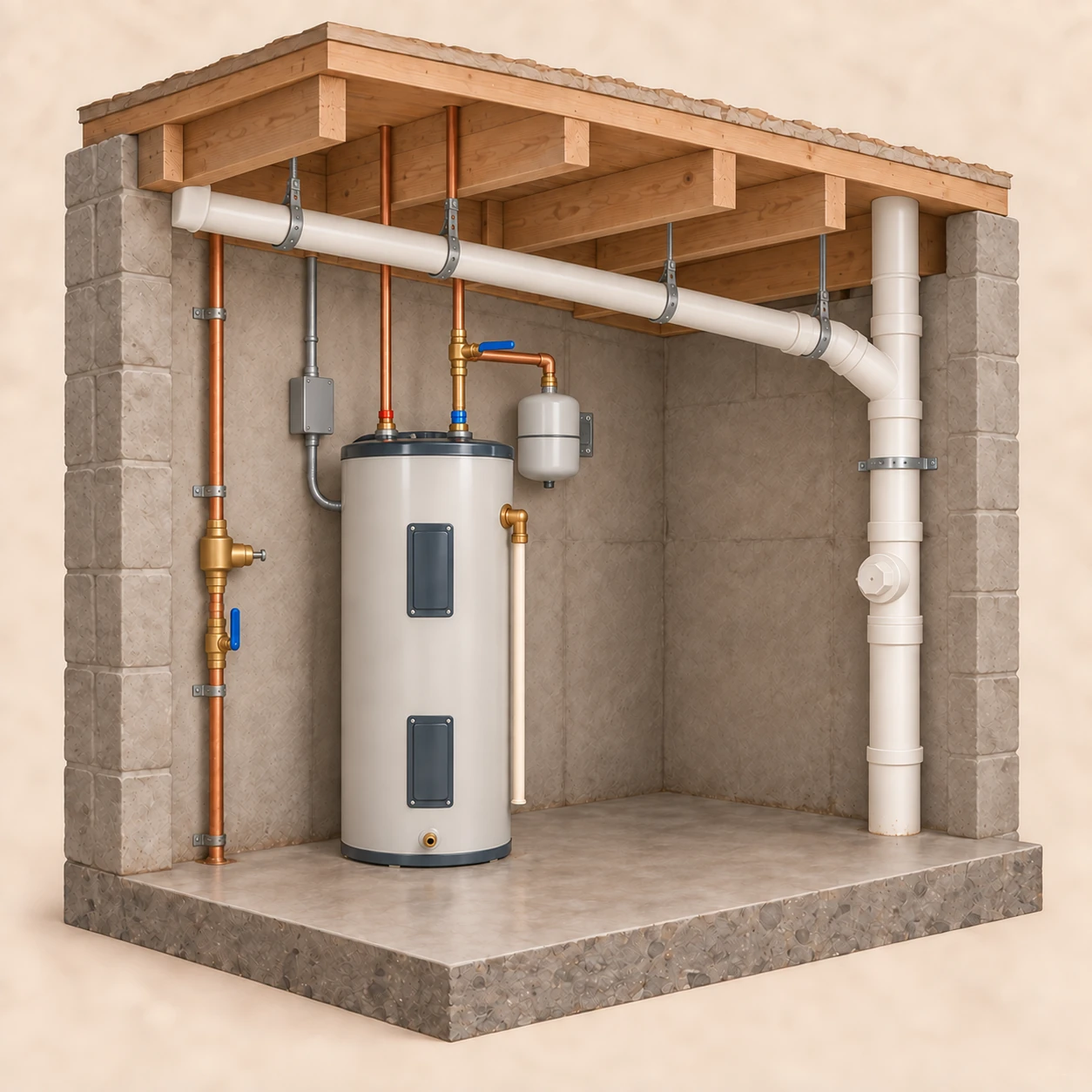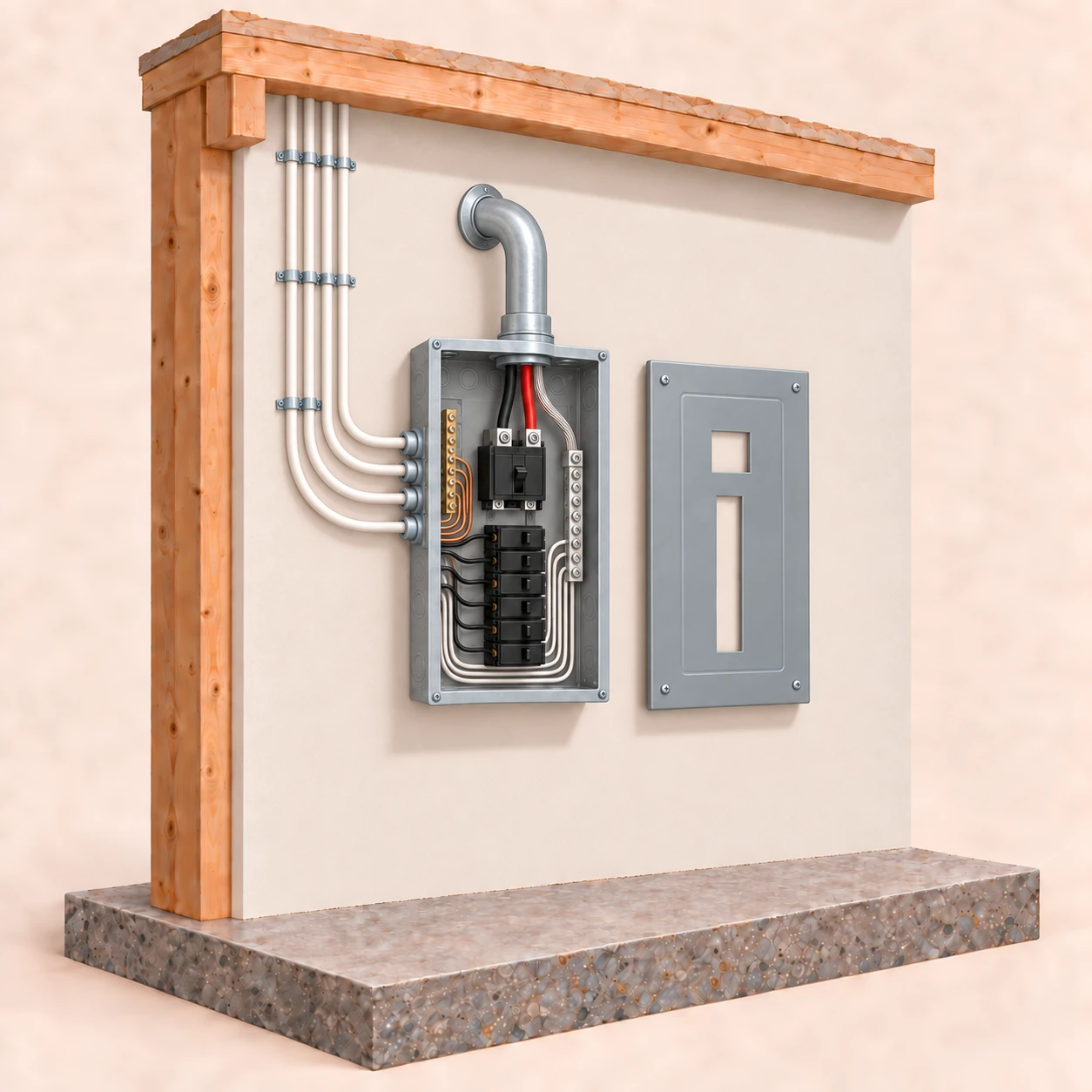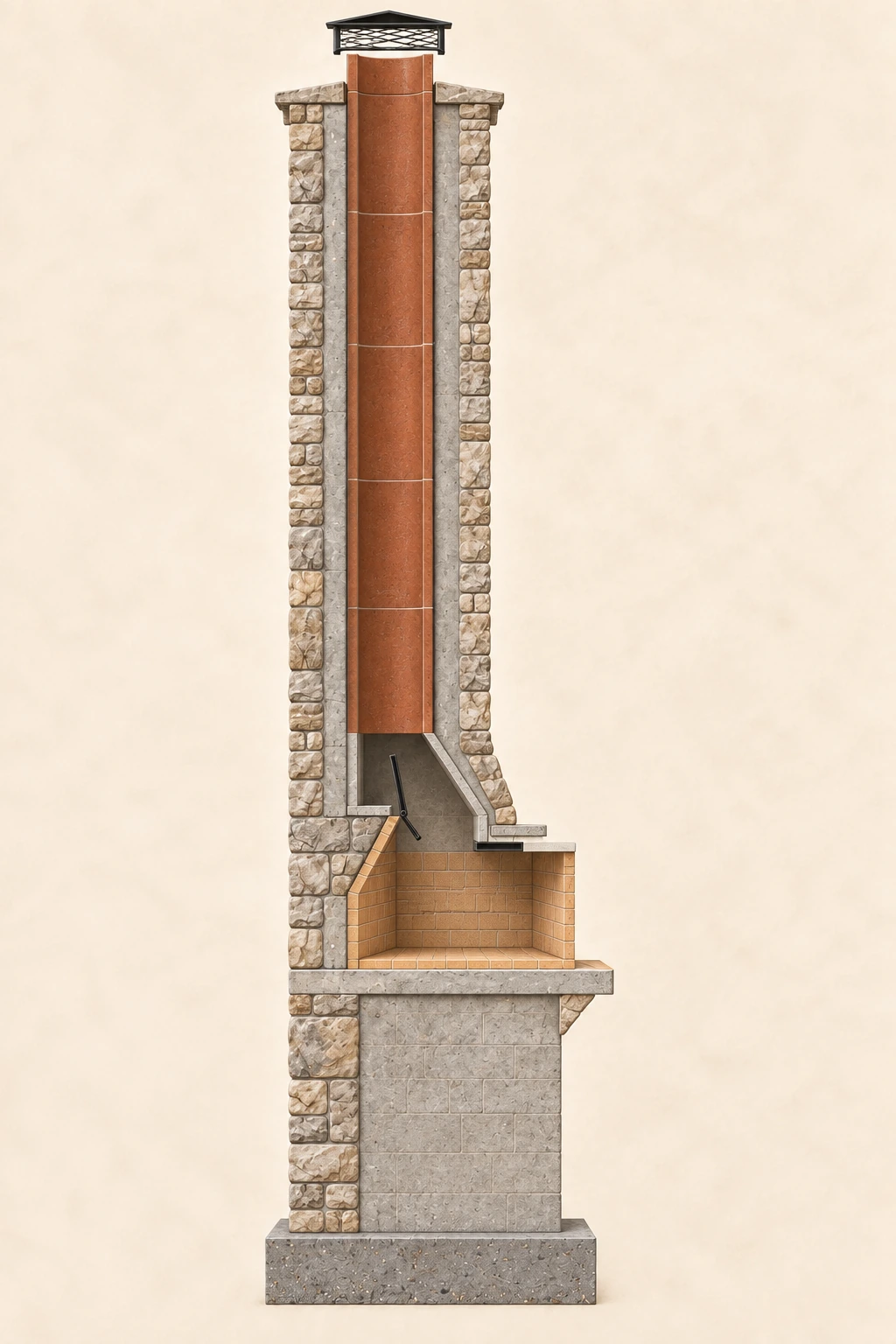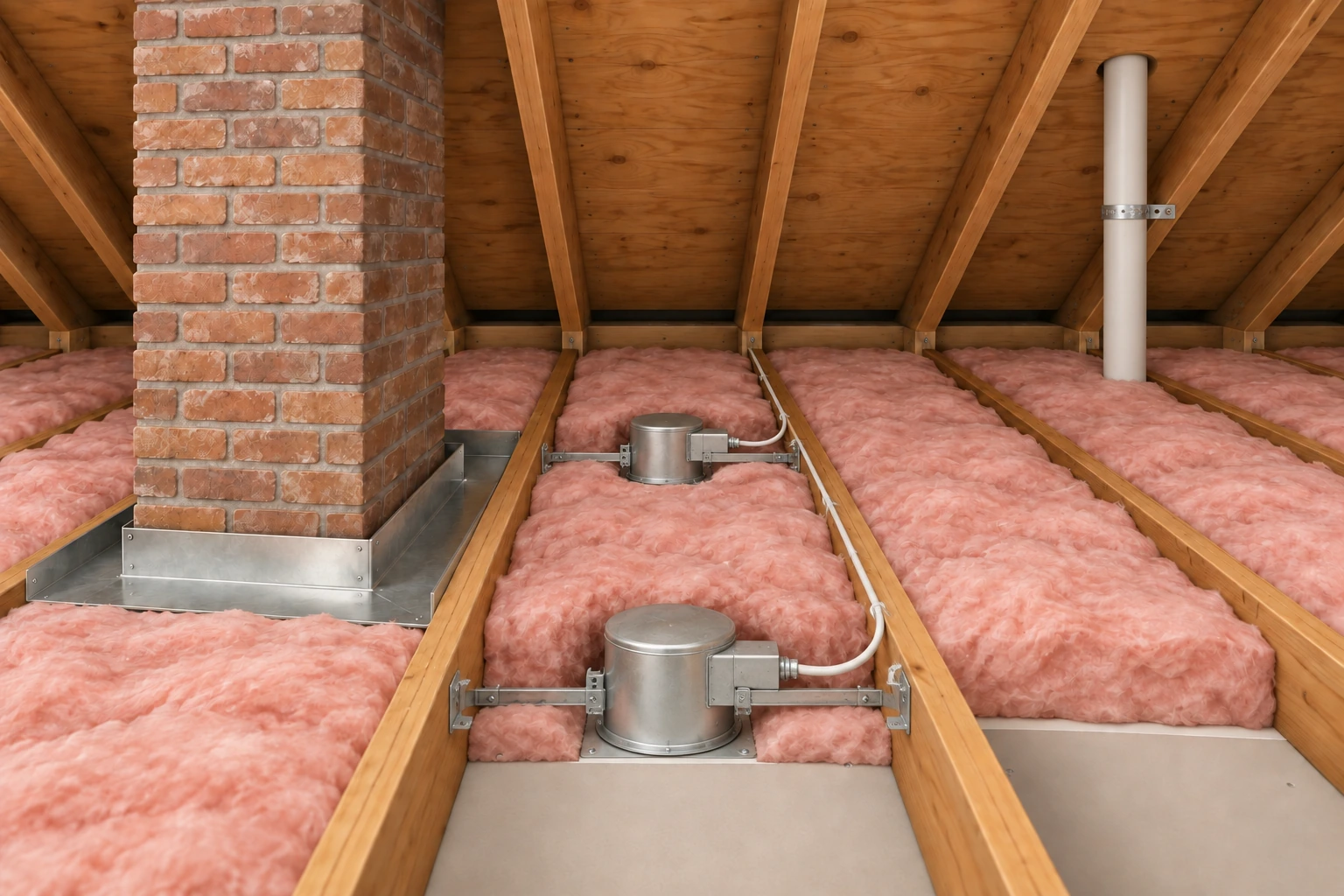
You do not need to arrive knowing what to ask. We walk through the visible condition of the home, explain what we observe, and make room for questions along the way.
Before the appointment
A little preparation helps us make the most of your inspection time. If you are buying, your agent can coordinate these details with the seller’s side. If it is your own home, the same list applies.
- Utilities on. Water, electricity, and gas or other fuel should be on, with the heating, cooling, and water heating ready to run on their normal controls. If you are buying, please leave turning utilities on or opening up a winterized home to the seller’s side rather than doing it yourself.
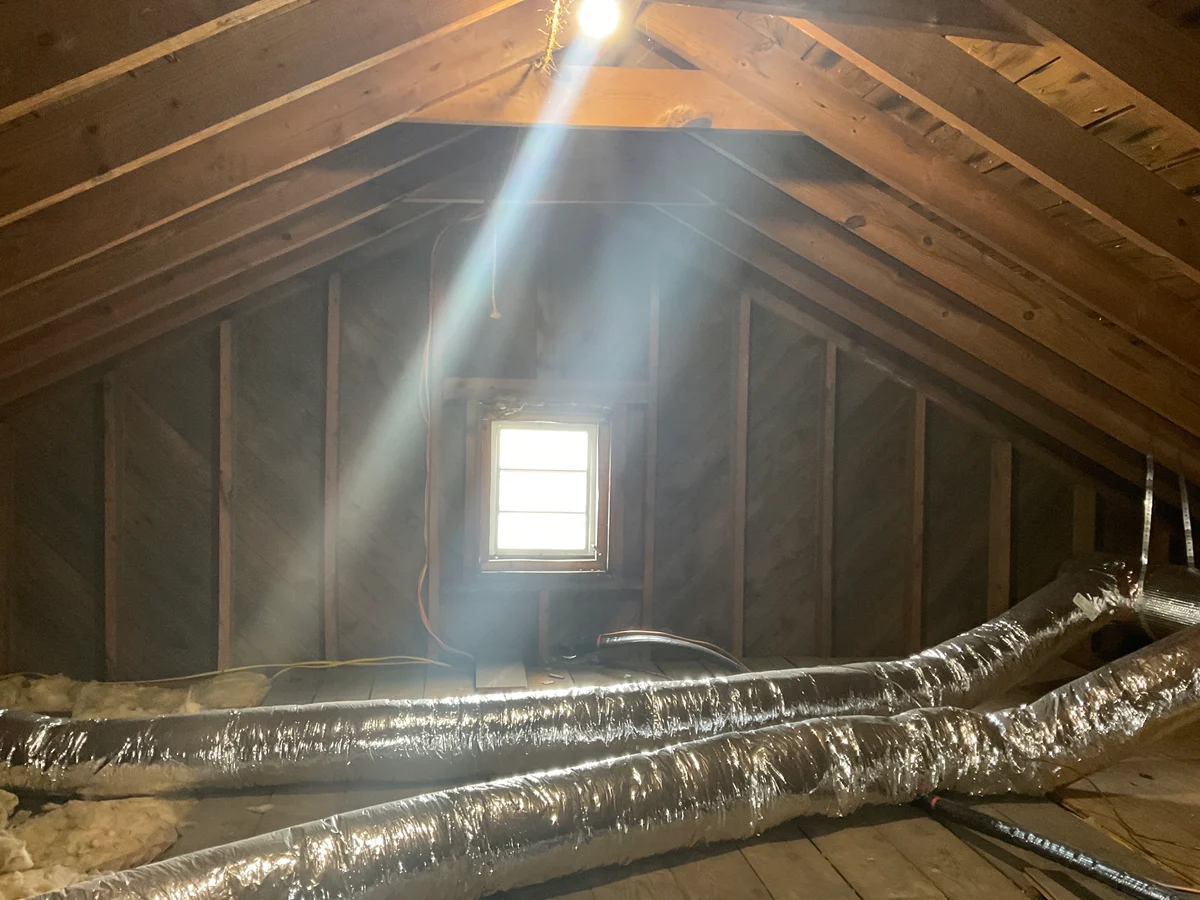
- Clear access. Electrical panels, heating and cooling equipment, water heaters, attic and crawlspace openings, and built-in appliances should be easy to reach.
- Pets secured before we arrive.
- Tell us ahead of time if a system is turned off, the home is vacant or winterized, or an area will be locked or blocked.
Virginia’s home inspection standards do not require an inspector to put a system that is turned off or winterized back into operation. If something is off or out of reach on inspection day, your report notes what could not be inspected and why, and we can talk through the next step with you.
During the inspection
You are welcome to attend and bring any questions from your visits to the home. We will point out useful shutoffs and controls, explain significant observations, and help you understand when a condition needs a specialist’s evaluation.
After the inspection
Your visual report is delivered the same day, usually that evening. Your report separates what needs attention now, what is worth monitoring, and what is normal for the home’s age. Photos appear beside the findings so you and your agent can return to the details without decoding a separate image list.
See how the report is organized or schedule an inspection.
Frequently Asked Questions
How long does a home inspection take?
Most of our inspections take three to five hours, and larger or older homes can take a few hours more. We take the time to look at each part of the home carefully and to talk through what we find, so plan on a morning or an afternoon.
How far ahead should I book?
Three to four business days ahead is usually enough. If your inspection period is shorter than that, call us at (540) 293-3383 and we will do our best to fit you in.
What if the utilities are off or the home is winterized?
Ask your agent to have the water, electricity, and fuel turned on and the systems ready to run before the visit. That is arranged through the seller's side. Virginia's home inspection standards do not require an inspector to put a turned-off or winterized system into operation, so anything still off on inspection day is noted in your report as not inspected, with the reason. Tell us ahead of time and we will talk through your options.
What does a home inspection not cover?
A home inspection is a careful visual look at the parts of the home we can safely reach. It does not cover hidden conditions inside walls or under flooring; underground septic systems, sewer lines, irrigation, or buried tanks; radon, mold, and well water tests unless added separately; pests, which a licensed pest inspector checks; or repair cost estimates. Your agent can request a Repair Pricer estimate after your report arrives. If one of these matters for the home you are buying, ask us and we will point you to the right professional.