Radon is a naturally occurring radioactive gas. It forms in the ground, moves up through the soil, and can collect inside a home. It has no color and no smell, and nothing about a house, its age, or its condition tells you whether its level is high or low. The only way to know is to test.
Testing is useful throughout the year. In Roanoke and Southwest Virginia, a result from the individual home is more useful than an assumption based on the neighborhood.
What the number means
Radon is measured in picocuries per liter of air, written pCi/L. The EPA recommends taking action to reduce radon when a home measures 4.0 pCi/L or higher. For results between 2.0 and 4.0, the EPA suggests considering a reduction, since no level of radon is entirely without risk.
The result guides the next conversation, but it represents the testing period rather than every season. We explain the measurement and any follow-up worth considering.
A high result is a solvable problem
A high result can often be addressed through mitigation. A qualified mitigation professional can install a system that lowers the level in the home, and a follow-up test confirms that the system is working.
During a purchase, a high result becomes part of the conversation between buyer and seller, the same as any other finding. Your agent can help you decide how to handle it.
When to test
The most common time is during a home purchase, when the inspection period gives you the chance to learn the number and plan around it. That is when we add radon testing to an inspection most often.
It is also worth testing a home you already live in, especially if it has never been tested. Radon levels can shift with weather, season, ventilation, and changes to the home, so it makes sense to test again after you finish a basement, replace the heating system, or make other changes to how air moves through the house.
Testing with your inspection
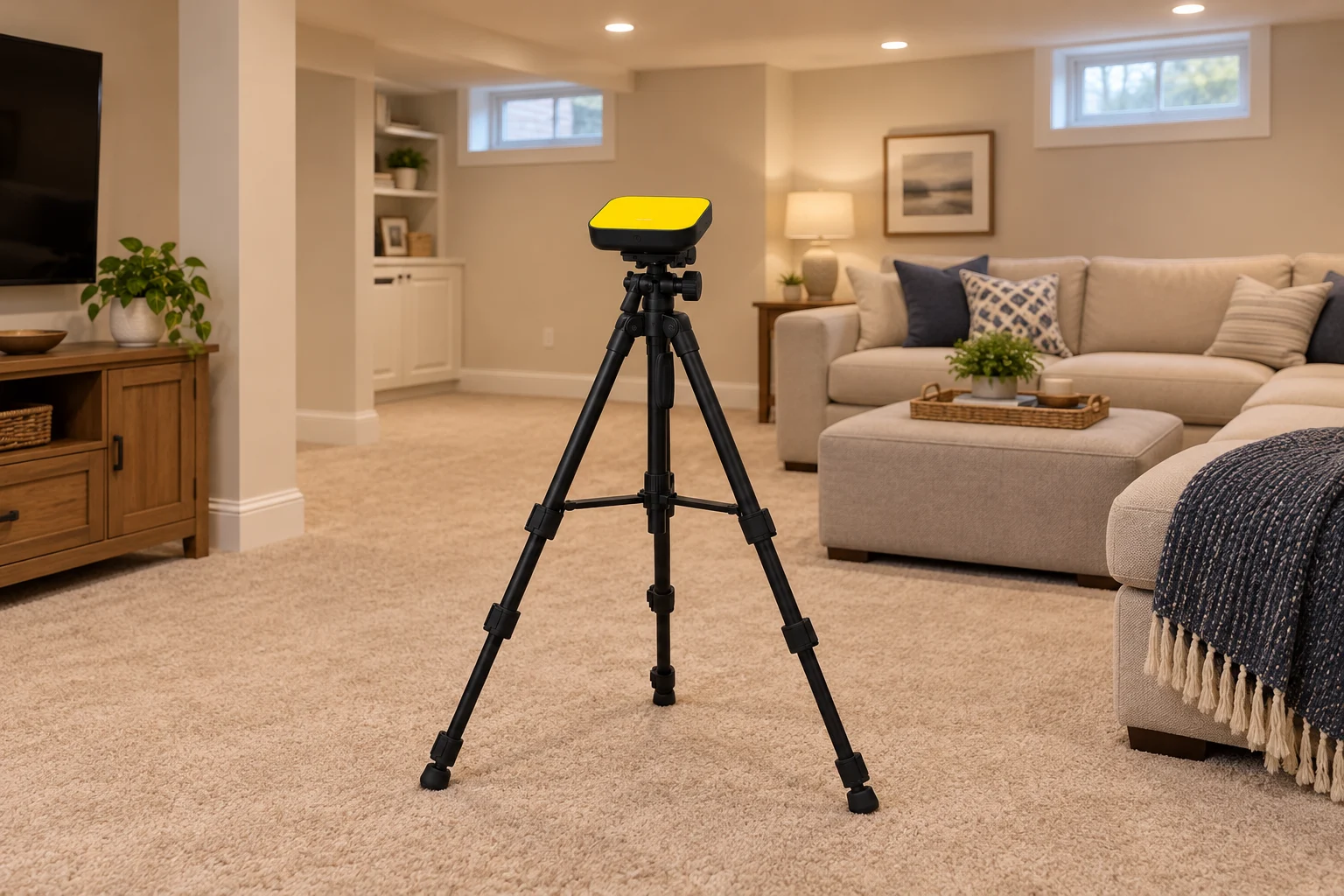
Radon testing is $99 as an add-on to your home inspection. We use a professional continuous monitor that runs for a minimum of 48 hours, and we explain the measured result against the EPA action level. You can read more on our radon testing page.
Add radon testing to your inspection or call (540) 293-3383 with questions about timing.
For more detail, see the EPA home buyer’s and seller’s guide to radon and Virginia’s indoor radon program.